Internet of things

Transforming Industries and Markets

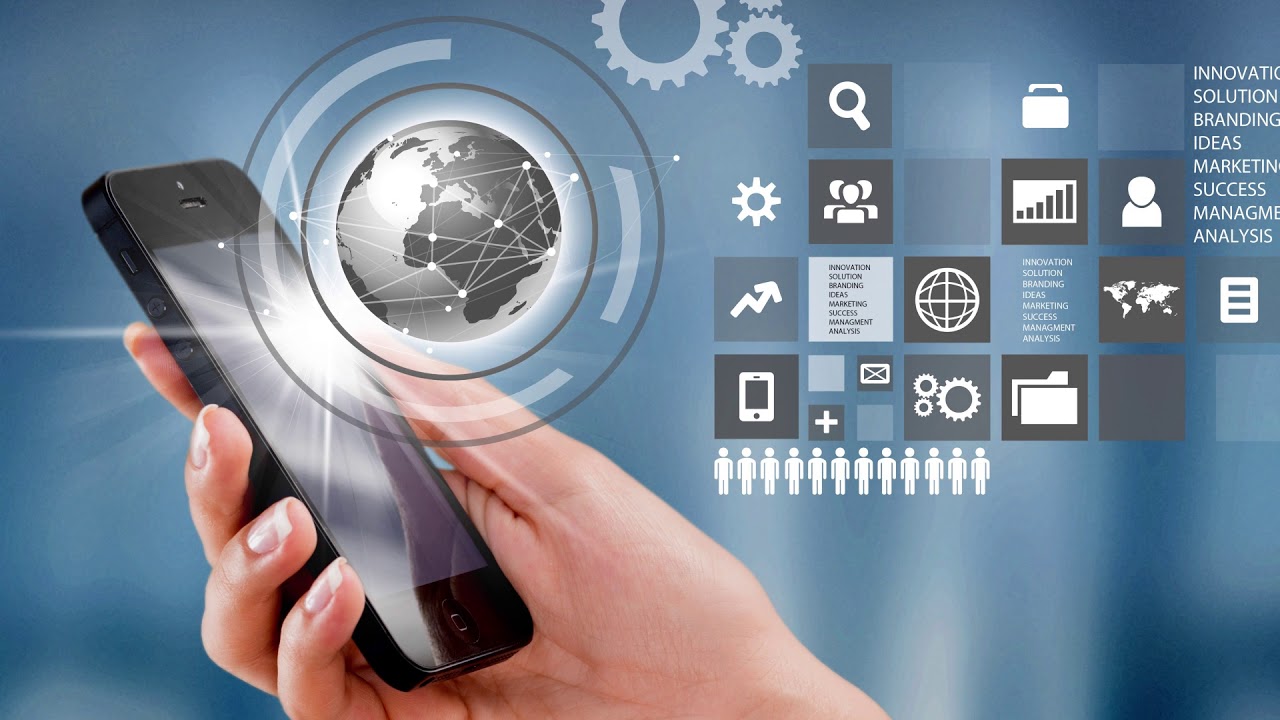
The Internet of Things (IoT) is revolutionizing industries worldwide, driving digital transformation and creating interconnected ecosystems. By integrating IoT devices and sensors with high-tech solutions, businesses can enhance operational efficiency, improve customer experiences, and unlock new revenue streams through advanced networking capabilities.

IoT Market Growth and Future Projections

The global IoT market is experiencing rapid expansion. In 2024, the market was valued at approximately USD 500.86 billion and is projected to reach around USD 3,644.20 billion by 2034, growing at a compound annual growth rate (CAGR) of 21.95% from 2025 to 2034. This growth is driven by advancements in Artificial Intelligence, 5G telecommunication, and the increasing adoption of IoT solutions across various sectors with robust cyber security protocols

Fundamental Layers Of The
Internet of Things (IOT)

Understanding the IoT architecture is crucial for implementing effective solutions. The architecture comprises three fundamental layers supported by high-tech infrastructure:
This layer involves sensors and actuators that collect data from the physical environment. In manufacturing, for example, IoT sensors monitor equipment status to predict maintenance requirements and optimize production processes through Artificial Intelligence analysis.
Responsible for transmitting data collected by the perception layer, the network layer ensures secure and reliable communication between devices. Advancements in 5G telecommunication are enhancing this layer by providing high-speed, low-latency connectivity essential for real-time IoT applications with robust cyber security measures.
This layer processes data to provide specific services and applications. In smart cities, the application layer analyzes data from various sensors to improve urban services like transportation and energy management through Augmented Reality and Virtual Reality interfaces.

IOT Application

Energy and Utilities

IoT is transforming the energy sector through smart grid technologies, predictive maintenance, and energy management systems.

Transportation and Logistics

Connected vehicles and logistics platforms enable companies to monitor shipments, optimize routes, and reduce operational costs.

Agriculture and farming

In farming, IoT combines with artificial intelligence for accurate and timely agriculture, vital in this rapidly shifting and challenging climate.

Smart Cities and Infrastructure

IoT applications in smart cities, e.g. traffic management, energy-efficient buildings, and public safety enhancements, make life quality better

Asset tracking and management

Companies use digital solutions and IoT for real-time monitoring and tracking of assets, including inventory, equipment, and vehicles.

Predictive maintenance and analytics

Augmented reality and virtual reality enhance maintenance procedures, while RPA and NLG automate reporting processes, reducing downtime

RETAIL AND CONSUMER ELECTRONICS

Smart shelves and connected point-of-sale systems enable retailers to respond swiftly to market demands and optimize stock levels.

Safety and security systems

IoT-powered safety systems provide real-time monitoring of public spaces, emergency response management, and predictive maintenance.

Manufacturing automation

Connected machinery integrated with robotics can predict maintenance needs, reducing downtime and enhancing productivity.